Trick-or-Treating Without the Toothache: A Parent’s Guide
For kids, Halloween night is about costumes, decorations, seeing friends, and, of course, coming home with a bag full of candy.
For parents, there's often another thought:
"What are we going to do with all of this candy?"
You don't need to take the fun out of Halloween to protect your child's teeth. In fact, Halloween can be a great opportunity to teach children about balance, moderation, and taking care of their smiles.
The goal isn't to make your child afraid of candy.
It's about helping them understand that what they do after eating it matters too.
A little planning before trick-or-treating, some simple choices during the evening, and a consistent bedtime routine can go a long way toward keeping Halloween fun without turning it into a dental headache.
What Most Parents Don't Realize
One of the biggest challenges with Halloween candy isn't necessarily the amount of candy in your child's bag.
It's what happens after they get home.
A child who spends the entire evening eating candy, comes home hungry, grabs another handful, and then falls asleep without brushing is getting a very different amount of sugar exposure than a child who eats dinner first, enjoys some treats, drinks water, and follows their normal bedtime routine.
That's why timing and routine matter.
Another thing parents don't always realize is that children don't necessarily need to eat every piece of candy they collect on Halloween night.
The candy can be sorted later.
Let your child choose some favourites, set aside the rest, and establish a reasonable routine for enjoying treats over the following days.
And if your child wears braces, has dental appliances, or has a history of cavities, it's worth paying extra attention to which treats make their way into the candy bag.
7 Things Parents Should Know Before Trick-or-Treating
- Feed your child before going out – A healthy meal before trick-or-treating can help prevent children from coming home extremely hungry and immediately eating a large amount of candy.
- Bring water along – Walking around the neighbourhood can take time, and water is a simple way to stay hydrated while also helping rinse the mouth after eating.
- Don't feel pressured to eat everything that night – A full candy bag doesn't mean your child needs to finish it before bedtime. Save some for later.
- Sort the candy together – Turn it into a fun activity. Separate favourite treats from ones your child doesn't really enjoy and set aside treats that may be especially hard on teeth.
- Be careful with sticky and hard candy – Gummies, caramels, taffy, and other sticky treats can remain on teeth longer. Hard candy can also put teeth at risk if children bite down on it.
- Pay attention to braces and dental appliances – Children with braces or certain dental work may need to avoid particularly hard, sticky, or chewy treats. Follow the recommendations from their dental or orthodontic team.
- Don't skip bedtime brushing – After a long night of costumes and candy, brushing might be the last thing your child wants to do. But it's one of the most important steps of the night.
5 Trick-or-Treating Myths Parents Should Know
- "My child shouldn't eat any candy at all." – Halloween can still be enjoyed while keeping oral health in mind. Moderation, timing, and good hygiene are more practical goals than completely eliminating treats.
- "The more candy they eat at once, the worse it is." – A large amount of candy isn't ideal, but frequent exposure to sugar throughout the day can also be problematic. Creating a specific time for treats can help reduce repeated exposure.
- "Brushing once after Halloween fixes everything." – Brushing is important, but healthy teeth depend on consistent daily habits throughout the year.
- "All Halloween candy is equally bad." – Different candies behave differently in the mouth. Sticky, chewy, and acidic treats can present different challenges compared with chocolate or other treats that clear more quickly.
- "Milk or juice is the best drink after candy." – Water is a simple choice after treats. It helps rinse the mouth without adding more sugar.
Halloween doesn't need to become a battle between parents and children over candy. The more useful approach is to create simple expectations that everyone understands: enjoy some treats, drink water, take care of your teeth, and don't turn Halloween candy into an all-day habit.
Signs You Should Pay Attention To
Halloween is a good time for parents to notice how their child's teeth and gums are doing. Keep an eye out for:
- Tooth pain when eating sweets
- Sensitivity to cold drinks or foods
- Pain when biting or chewing
- Visible white, brown, or dark spots on teeth
- Bleeding or swollen gums
- Persistent bad breath
- A chipped or cracked tooth
- A child avoiding certain foods because their teeth hurt
These signs don't necessarily mean your child has a serious dental problem, but they shouldn't be ignored. If pain, sensitivity, swelling, or other changes continue after Halloween, it's worth having your child's teeth checked by a dental professional.
Simple Habits That Make Trick-or-Treating Easier
You don't need to create complicated rules around Halloween. A few simple habits can make the evening easier for both parents and kids.
A few small habits can make a big difference:
- Serve dinner before trick-or-treating.
- Bring water while you're out.
- Let children choose their favourite treats.
- Set aside some candy instead of eating everything at once.
- Avoid letting candy become an all-day snack.
- Encourage children to brush twice a day with fluoride toothpaste.
- Help younger children brush effectively.
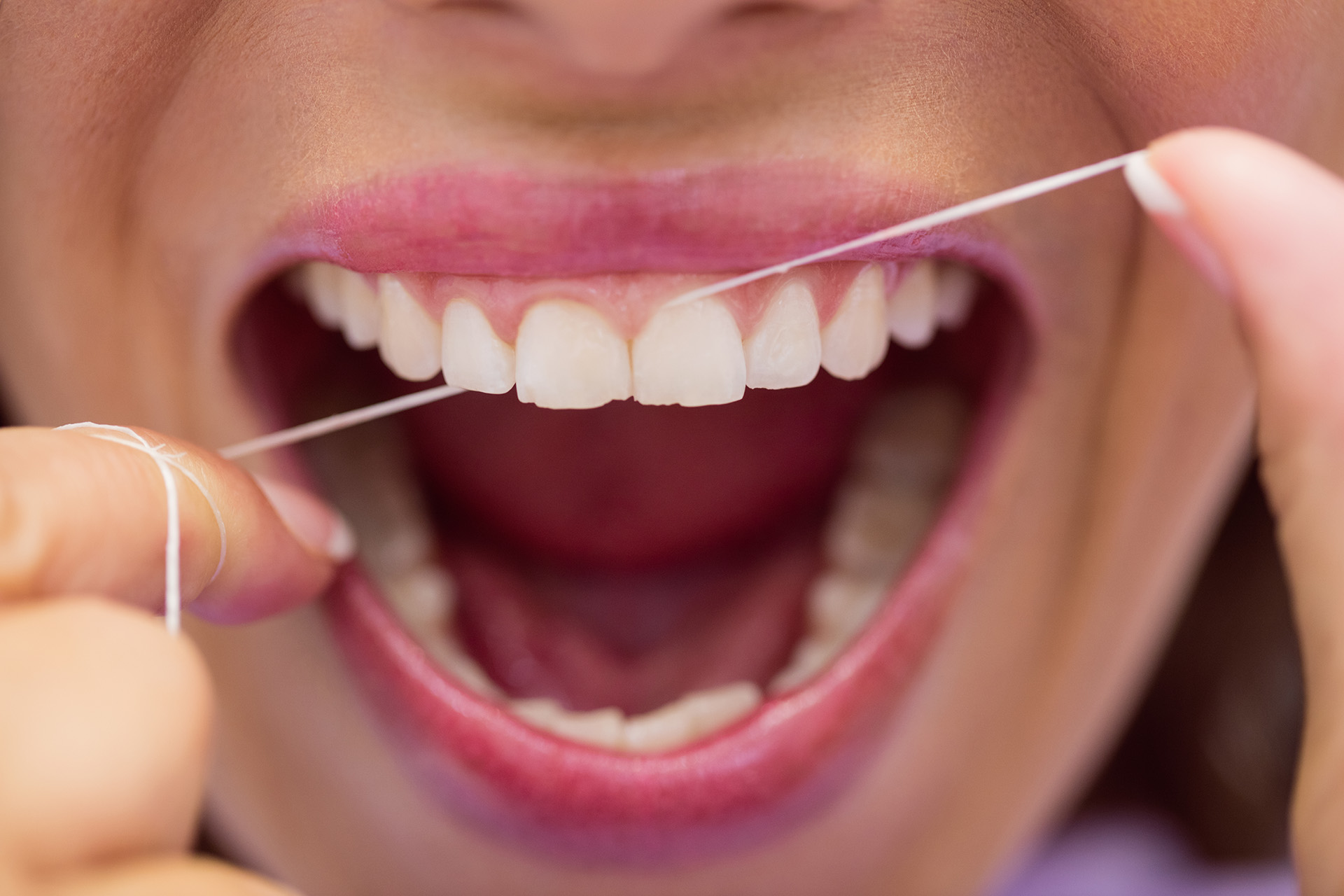
- Continue daily flossing or interdental cleaning.