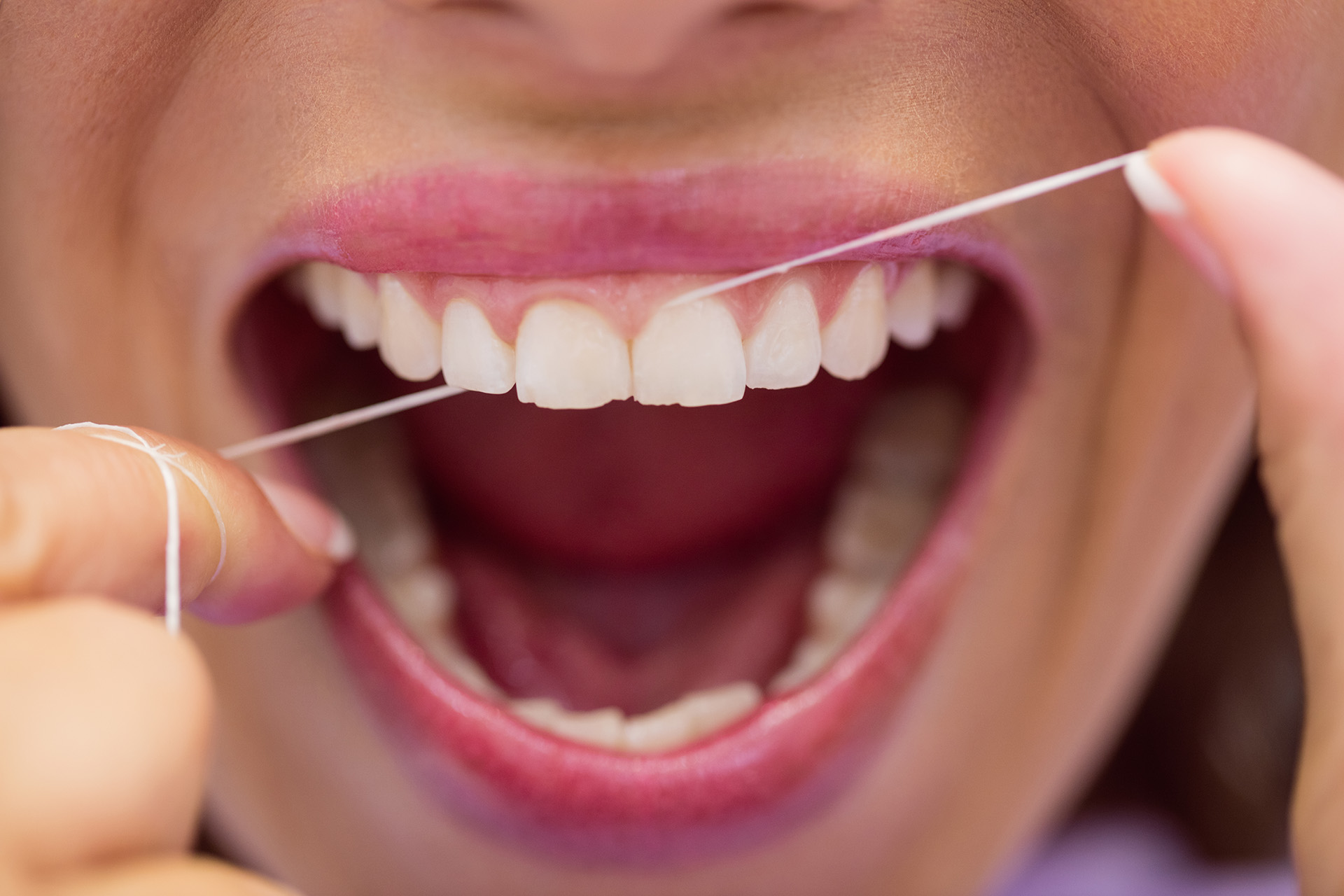
Let's Talk About Flossing and What the Internet Is Getting Wrong
Flossing has somehow become one of those everyday habits that comes with a surprising amount of internet drama. Should you floss before or after brushing? Is water flossing just as good? Do you really need to floss every day? And what about those viral videos claiming that flossing can damage your gums?
With so much advice floating around online, it's easy to wonder what you should actually be doing.
The good news is that flossing doesn't need to be complicated. When done properly, it's one of the simplest ways to remove plaque and food from places your toothbrush simply can't reach.
The spaces between your teeth are some of the easiest areas to miss during your daily routine. Plaque can build up there, irritate the gums, and eventually contribute to cavities and gum disease. Brushing alone can't clean those areas effectively.
This isn't about achieving some kind of perfect dental routine. It's about finding a flossing method that works for you and doing it consistently.
What Most People Don't Realize
One of the biggest misconceptions about flossing is that your gums shouldn't bleed. In reality, if your gums bleed when you first start flossing, it can be a sign that they're already irritated or inflamed from plaque buildup.
That doesn't mean you should immediately stop flossing. Gentle, consistent cleaning can help improve gum health over time. However, persistent or heavy bleeding shouldn't simply be ignored. If your gums continue to bleed regularly, it's worth mentioning it to your dental team.
Another common misconception is that flossing is only necessary when something is stuck between your teeth. Flossing isn't just about removing that annoying piece of popcorn. Its main job is disrupting plaque along the sides of your teeth and underneath the gumline—areas a toothbrush can't properly reach.
And then there's the internet debate about when you should floss.
Before brushing? After brushing? Morning? Night?
The exact timing matters less than making interdental cleaning a consistent part of your routine. If flossing before brushing makes it easier for you to remember, do that. If you prefer flossing after brushing, that's okay too.
7 Things About Flossing You Should Know
- Flossing cleans where your toothbrush can't – A toothbrush does a great job cleaning the surfaces of your teeth, but it can't properly reach the tight spaces between them.
- Bleeding gums aren't necessarily a reason to stop – Occasional bleeding can happen when gums are inflamed, especially if you haven't flossed regularly. Be gentle and consistent, and talk to your dentist if bleeding persists.
- You don't have to use traditional string floss – Floss picks, interdental brushes, and water flossers can all make cleaning between your teeth easier. The best option is one you'll actually use correctly and consistently.
- Water flossers aren't just for people with braces – They can be particularly helpful for people with orthodontic appliances, bridges, implants, or other dental work, but many people find them useful as part of their everyday routine.
- Flossing shouldn't hurt – A little tenderness when you're getting used to flossing is different from sharp pain or significant discomfort. If flossing consistently hurts, your dental team can help determine why.
- Flossing once in a while isn't the same as flossing regularly – Plaque builds up every day. Making interdental cleaning part of your daily routine is much more useful than trying to "catch up" before a dental appointment.
- Your technique matters – Don't simply snap the floss between your teeth and pull it back out. Gently guide it between the teeth and curve it around each tooth, moving it up and down along the sides.
5 Flossing Myths the Internet Gets Wrong
- "If my gums bleed, I should stop flossing." – Bleeding can be a sign of inflammation. Instead of abandoning flossing completely, use a gentle technique and speak with your dentist if bleeding continues.
- "Flossing creates gaps between your teeth." – Proper flossing doesn't create spaces between healthy teeth. What may look like a change can sometimes be swelling going down as irritated gums become healthier.
- "Water flossers completely replace everything else." – Water flossers can be an excellent tool, but the ideal interdental cleaning method depends on your teeth, gums, dental work, and individual needs.
- "I only need to floss when food gets stuck." – Food is only part of the problem. Plaque is constantly forming along and between your teeth, even when you don't feel anything there.
- "If my teeth look clean, I don't need to floss." – Plaque isn't always visible. Some of the most important areas to clean are the ones you can't easily see.
None of this means you need to become obsessed with flossing or spend half an hour in the bathroom every night. The goal is simply to clean between your teeth regularly and find a method that fits comfortably into your routine.
Signs You Should Pay Attention To
Your mouth can give you some pretty useful clues when something isn't quite right. Keep an eye out for:
- Gums that bleed regularly when flossing
- Red, swollen, or tender gums
- Persistent bad breath
- Food constantly getting trapped between the same teeth
- Sensitivity or discomfort between specific teeth
- Floss that repeatedly shreds or catches in one particular area
These signs don't necessarily mean there's a serious problem, but they are worth bringing up at your next dental visit. Persistent bleeding, swelling, pain, or other changes can sometimes point to an issue that needs professional attention.
Simple Habits That Make Flossing Easier
If flossing isn't already part of your routine, don't feel like you need to completely change your life overnight.
A few small habits can make it much easier:
- Keep your floss somewhere visible so you remember to use it.
- Start with once a day, rather than worrying about doing it perfectly.
- Try a floss pick or water flosser if traditional floss is difficult for you.
- Be gentle and avoid snapping floss into your gums.
- Curve the floss around each tooth rather than simply moving it straight up and down.
- Ask your dental hygienist to demonstrate the technique if you're unsure whether you're doing it correctly.