Living with a Missing Tooth? Here’s What Happens If You Wait Too Long
It’s easy to put it off.
Maybe the gap isn’t very noticeable. Maybe it doesn’t hurt. Or maybe life just gets busy, and replacing a missing tooth doesn’t feel urgent.
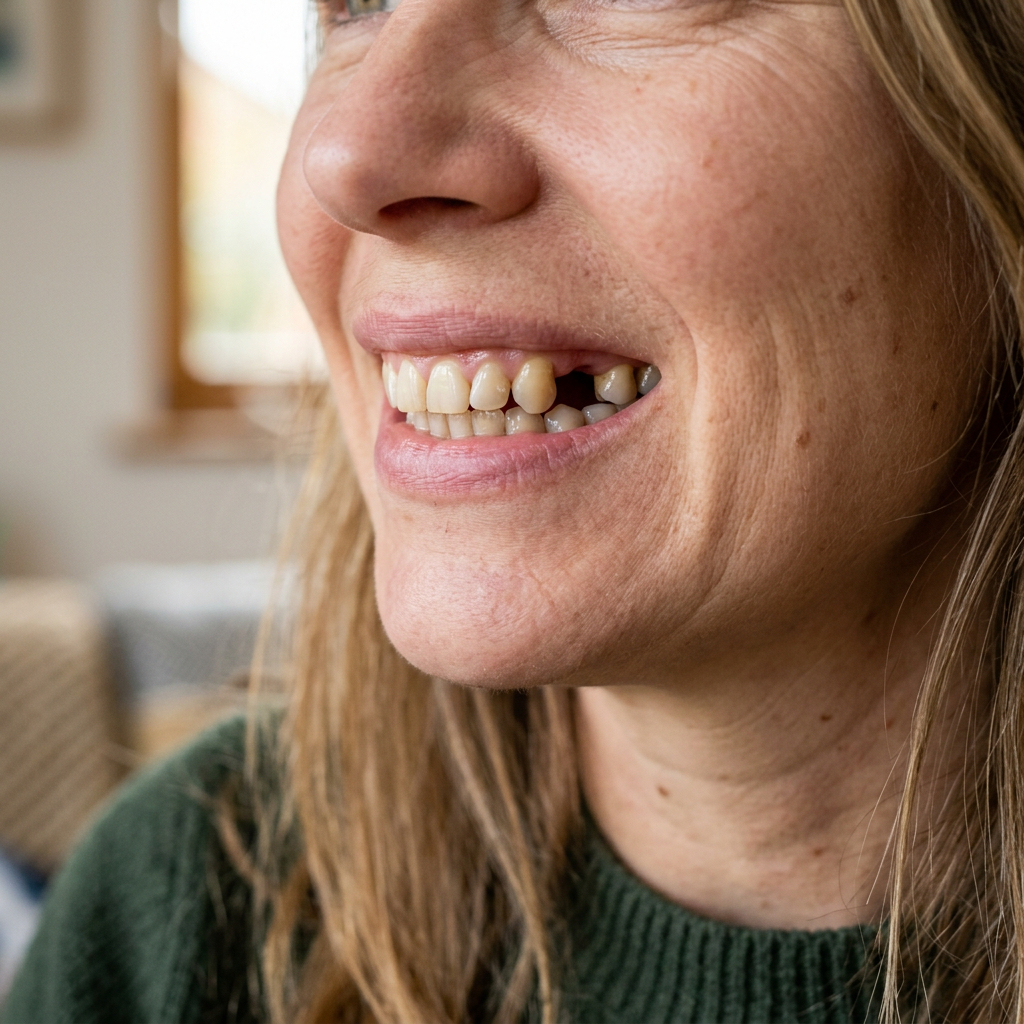
A lot of people in Calgary live with a missing tooth for months or even years, thinking it’s mostly a cosmetic issue. But what’s happening beneath the surface is a little more complex.
The truth is, your mouth is always adapting. And when a tooth is missing, that adaptation can quietly lead to changes you didn’t expect.
Why It Matters
Teeth don’t work alone, they function as a team.
Each tooth helps maintain spacing, supports your bite, and keeps your jawbone healthy. When one is missing, the balance shifts. At first, it may not feel like a big deal. But over time, small changes can turn into bigger ones that affect both your oral health and comfort.
For many patients visiting a dentist in Calgary, the surprise isn’t that a tooth is missing, but how much the surrounding teeth and bone have already changed.
Understanding what happens early gives you more options and often simpler ones.
What Most People Don’t Realize
One of the biggest hidden effects of a missing tooth is bone loss.
Your jawbone needs stimulation from chewing to stay strong. When a tooth is gone, that part of the bone no longer gets used the same way. Over time, it can begin to shrink. This process can start within months and continue gradually.
Another common change is shifting teeth.
Teeth naturally move toward open spaces. Nearby teeth may tilt into the gap, while the opposing tooth (the one that used to bite against it) can start to move out of position. This can affect your bite in ways that feel subtle at first until they’re not.
There’s also the impact on your bite and jaw.
Even a single missing tooth can change how pressure is distributed when you chew. This can lead to uneven wear, jaw discomfort, or even tension headaches over time.
And then there’s confidence.
Even if others don’t notice the gap, you might. Smiling, speaking, or eating in public can start to feel different. That emotional side matters just as much as the physical one.
Signs You Should Pay Attention To
If you’ve been living with a missing tooth, here are a few signs that changes may already be happening:
- Nearby teeth look slightly tilted or have shifted position
- Food gets trapped more easily in the gap
- You notice changes in how your bite feels
- Jaw soreness or tension, especially when chewing
- Increased sensitivity in surrounding teeth
- A visible dip or change in your facial profile near the missing tooth
These changes are common and manageable but they're worth addressing sooner rather than later.
Simple Habits That Help Protect Your Smile
If you’re not ready to replace the tooth immediately, there are still ways to protect your oral health in the meantime.
- Keep the area clean
Gaps can trap food more easily, so gentle brushing and flossing around the area is important. - Be mindful when chewing
Try to avoid putting too much pressure on one side of your mouth to prevent uneven wear. - Stay consistent with dental visits
Regular checkups help monitor any shifting or early changes so they can be addressed early. - Ask about your options
Even if you’re not ready to move forward yet, understanding your choices can help you plan ahead with confidence. - Don’t wait for pain
Many of the changes related to missing teeth happen without discomfort at first. Being proactive makes a big difference.
Missing Tooth Options: What You Can Do
If you’re considering how to replace a missing tooth in Calgary, there are a few common options your dentist may discuss with you.
Dental implants are one of the most popular solutions because they replace both the root and the visible tooth, helping to preserve bone structure.
Bridges are another option, using neighboring teeth to support a replacement tooth.
In some cases, partial dentures may also be appropriate, depending on your needs.
The best choice depends on your oral health, preferences, and long-term goals. A dental implant consultation in Calgary can help you understand what’s possible for your specific situation.